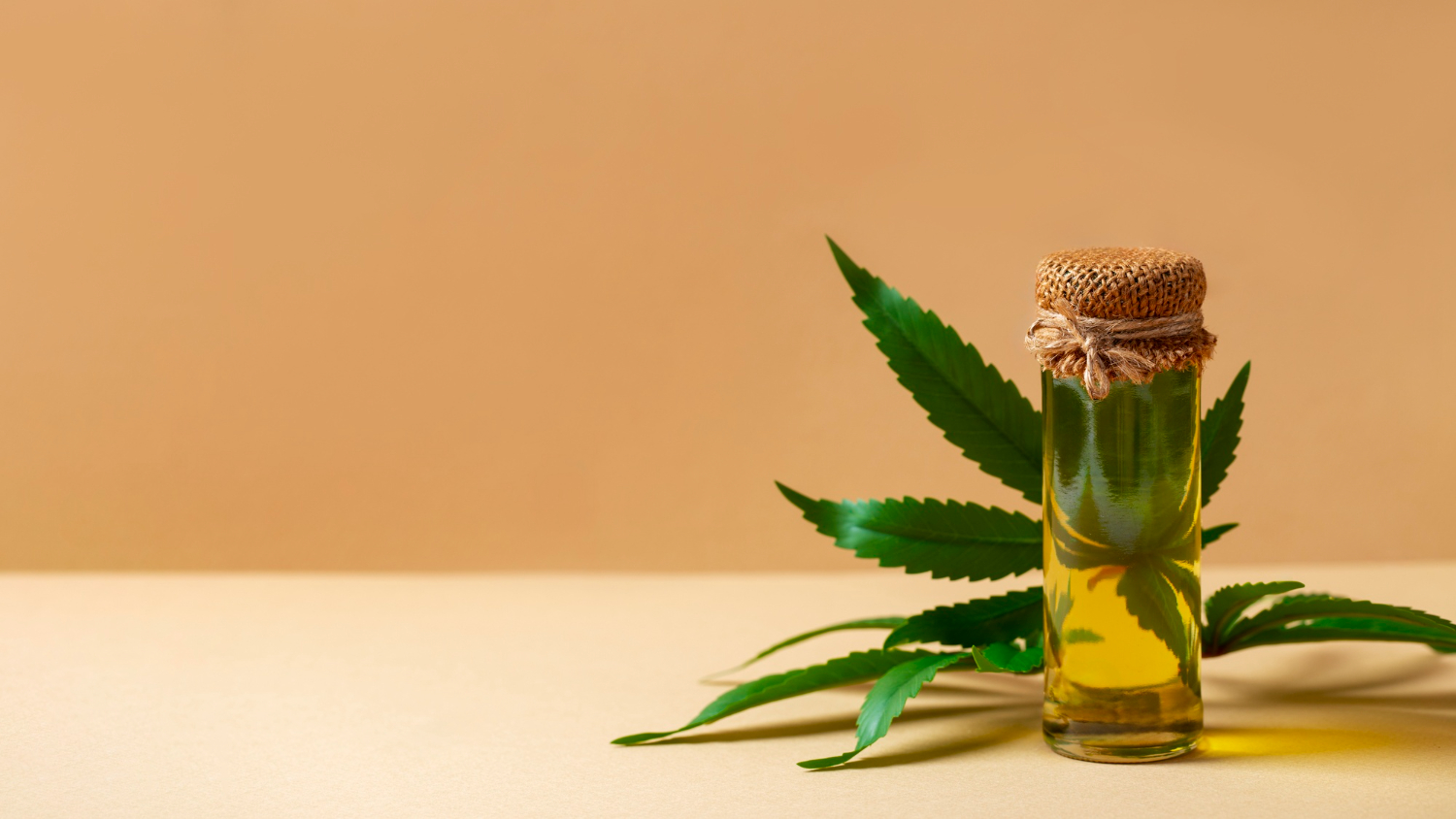
Starting a Medicinal Hemp Business the Right Way

Quote from Catherine Workman on January 28, 2026, 6:45 amMedicinal hemp products sit at the intersection of wellness, agriculture, and regulation. For new business owners, the opportunity is real, but so is the responsibility to operate within a tightly defined legal framework from day one. This guide walks through the practical steps and compliance requirements that shape a legitimate, durable medicinal hemp business.
Key Takeaways
- Medicinal hemp is legal at the federal level, but state rules control how products are made and sold
- Licensing, testing, and labeling are not optional; they are the foundation of trust and compliance
- Product choices and sourcing decisions can determine whether your business scales or stalls
- Early planning reduces regulatory risk and prevents costly pivots later
Understanding What “Medicinal Hemp” Legally Means
Medicinal hemp refers to products derived from hemp plants containing no more than 0.3% delta-9 THC by dry weight under U.S. federal law. This distinction separates hemp from marijuana and allows interstate commerce, but it does not grant blanket freedom to sell any product in any form. States regulate whether hemp-derived items can be marketed for wellness or therapeutic use, and many prohibit explicit medical claims without approval. New owners should treat the definition as a legal boundary, not a marketing slogan.
Business Formation and Licensing Basics
Before you sell a single product, your business must exist as a legal entity. Most founders choose an LLC or corporation to limit personal liability and simplify banking. From there, you will need state and local business licenses, a hemp handler or processor license if you manufacture products, and in some cases a retail hemp permit. Requirements vary widely, so always confirm with your state’s department of agriculture or health authority.
Product Research and Market Fit
Strong businesses start with informed product decisions, not assumptions. Research current consumer demand, emerging wellness trends, and price sensitivity to understand what actually sells in your target market. Competitive analysis can reveal gaps in quality, transparency, or delivery formats that established brands have overlooked. It’s also wise to review different formulations and concentrates, including products such as THCa diamonds, to understand how potency, processing, and compliance affect both demand and risk. This research phase helps you align innovation with legality instead of chasing trends blindly.
Manufacturing, Testing, and Labeling Rules
Regulators focus heavily on how medicinal hemp products are made and presented. Most states require third-party lab testing for potency, residual solvents, heavy metals, and pesticides. Labels typically must list cannabinoid content, ingredients, batch numbers, and disclaimers about FDA evaluation. Failing in this area can trigger recalls, fines, or license suspension, even if your product itself is safe.
Operational Steps That Keep You Compliant
These actions align your operations with common regulatory expectations:
- Secure compliant hemp biomass from licensed growers
- Use manufacturers that follow good manufacturing practices
- Maintain certificates of analysis for every product batch
- Train staff on age restrictions and prohibited claims
- Store records so they are accessible during inspections
Common Licenses and Requirements by Business Type
The obligations you face depend on how you participate in the market. The table below outlines typical requirements across roles.
Business Role
Typical Requirements
Manufacturer
Hemp processor license, lab testing, facility inspections
Retailer
Local business license, hemp retail permit, age-verification policies
Distributor
Transport documentation, product compliance records
Online seller
State registration, compliant shipping and labeling
Sales, Marketing, and Claim Restrictions
One of the fastest ways to attract enforcement attention is through improper marketing. Medicinal hemp products cannot claim to diagnose, treat, or cure diseases unless approved as drugs. Even implied medical benefits can be problematic. Focus marketing on general wellness positioning, transparency, and education rather than promises of medical outcomes.
Practical Questions
These questions often come up when founders are close to launching or scaling.
Do I need FDA approval to sell medicinal hemp products?
No FDA approval is required to sell most hemp-derived products, but you cannot market them as approved drugs. The FDA regulates claims and labeling, not basic legality. Staying conservative with language is the safest approach.
Can I sell medicinal hemp products across state lines?
Interstate commerce is allowed for federally compliant hemp products. However, destination state laws still apply once the product arrives. Always verify state-specific restrictions before shipping.
What happens if my product tests above the THC limit?
Products exceeding the legal THC threshold are considered illegal. They may need to be destroyed or remediated depending on state rules. Repeated failures can jeopardize your license.
Is insurance required for a hemp business?
While not always legally required, product liability insurance is strongly recommended. Many retailers and distributors will not work with uninsured brands. Insurance also signals professionalism to partners.
How long does licensing usually take?
Timelines vary by state and agency workload. Some licenses are issued within weeks, while others take several months. Plan for delays and avoid ordering large inventories before approval.
Closing Thoughts
Starting a medicinal hemp business is less about speed and more about precision. Owners who respect the regulatory landscape can build brands that last, while those who cut corners often face setbacks. By grounding your decisions in compliance, research, and transparency, you give your business room to grow with confidence. Done right, medicinal hemp can be both a responsible venture and a sustainable one.
Image: Freepik
Medicinal hemp products sit at the intersection of wellness, agriculture, and regulation. For new business owners, the opportunity is real, but so is the responsibility to operate within a tightly defined legal framework from day one. This guide walks through the practical steps and compliance requirements that shape a legitimate, durable medicinal hemp business.
Key Takeaways
- Medicinal hemp is legal at the federal level, but state rules control how products are made and sold
- Licensing, testing, and labeling are not optional; they are the foundation of trust and compliance
- Product choices and sourcing decisions can determine whether your business scales or stalls
- Early planning reduces regulatory risk and prevents costly pivots later
Understanding What “Medicinal Hemp” Legally Means
Medicinal hemp refers to products derived from hemp plants containing no more than 0.3% delta-9 THC by dry weight under U.S. federal law. This distinction separates hemp from marijuana and allows interstate commerce, but it does not grant blanket freedom to sell any product in any form. States regulate whether hemp-derived items can be marketed for wellness or therapeutic use, and many prohibit explicit medical claims without approval. New owners should treat the definition as a legal boundary, not a marketing slogan.
Business Formation and Licensing Basics
Before you sell a single product, your business must exist as a legal entity. Most founders choose an LLC or corporation to limit personal liability and simplify banking. From there, you will need state and local business licenses, a hemp handler or processor license if you manufacture products, and in some cases a retail hemp permit. Requirements vary widely, so always confirm with your state’s department of agriculture or health authority.
Product Research and Market Fit
Strong businesses start with informed product decisions, not assumptions. Research current consumer demand, emerging wellness trends, and price sensitivity to understand what actually sells in your target market. Competitive analysis can reveal gaps in quality, transparency, or delivery formats that established brands have overlooked. It’s also wise to review different formulations and concentrates, including products such as THCa diamonds, to understand how potency, processing, and compliance affect both demand and risk. This research phase helps you align innovation with legality instead of chasing trends blindly.
Manufacturing, Testing, and Labeling Rules
Regulators focus heavily on how medicinal hemp products are made and presented. Most states require third-party lab testing for potency, residual solvents, heavy metals, and pesticides. Labels typically must list cannabinoid content, ingredients, batch numbers, and disclaimers about FDA evaluation. Failing in this area can trigger recalls, fines, or license suspension, even if your product itself is safe.
Operational Steps That Keep You Compliant
These actions align your operations with common regulatory expectations:
- Secure compliant hemp biomass from licensed growers
- Use manufacturers that follow good manufacturing practices
- Maintain certificates of analysis for every product batch
- Train staff on age restrictions and prohibited claims
- Store records so they are accessible during inspections
Common Licenses and Requirements by Business Type
The obligations you face depend on how you participate in the market. The table below outlines typical requirements across roles.
|
Business Role |
Typical Requirements |
|
Manufacturer |
Hemp processor license, lab testing, facility inspections |
|
Retailer |
Local business license, hemp retail permit, age-verification policies |
|
Distributor |
Transport documentation, product compliance records |
|
Online seller |
State registration, compliant shipping and labeling |
Sales, Marketing, and Claim Restrictions
One of the fastest ways to attract enforcement attention is through improper marketing. Medicinal hemp products cannot claim to diagnose, treat, or cure diseases unless approved as drugs. Even implied medical benefits can be problematic. Focus marketing on general wellness positioning, transparency, and education rather than promises of medical outcomes.
Practical Questions
These questions often come up when founders are close to launching or scaling.
Do I need FDA approval to sell medicinal hemp products?
No FDA approval is required to sell most hemp-derived products, but you cannot market them as approved drugs. The FDA regulates claims and labeling, not basic legality. Staying conservative with language is the safest approach.
Can I sell medicinal hemp products across state lines?
Interstate commerce is allowed for federally compliant hemp products. However, destination state laws still apply once the product arrives. Always verify state-specific restrictions before shipping.
What happens if my product tests above the THC limit?
Products exceeding the legal THC threshold are considered illegal. They may need to be destroyed or remediated depending on state rules. Repeated failures can jeopardize your license.
Is insurance required for a hemp business?
While not always legally required, product liability insurance is strongly recommended. Many retailers and distributors will not work with uninsured brands. Insurance also signals professionalism to partners.
How long does licensing usually take?
Timelines vary by state and agency workload. Some licenses are issued within weeks, while others take several months. Plan for delays and avoid ordering large inventories before approval.
Closing Thoughts
Starting a medicinal hemp business is less about speed and more about precision. Owners who respect the regulatory landscape can build brands that last, while those who cut corners often face setbacks. By grounding your decisions in compliance, research, and transparency, you give your business room to grow with confidence. Done right, medicinal hemp can be both a responsible venture and a sustainable one.
Image: Freepik
Uploaded files: